
¿Qué vas a encontrar aquí?
Istanbul has charming and historically rich places. It is particularly special because it unites two continents, embodies centuries of cultural amalgamation and has a collection of impressive castles that stand as firm sentinels of its illustrious past. From their imposing architecture to the stories they hold within their walls, these castles offer a fascinating insight into the city’s multifaceted history. Join us as we embark on a journey to explore the top 10 castles to visit in Istanbul.
The 10 Best Castles to visit in Istanbul
each of which is a testament to the city’s strategic importance and its role as a crossroads of civilizations. Let the walls of these castles whisper stories of empires, conquests, and the evolution of a city that has left its mark forever on the annals of time.
01. Anadolu Hisari
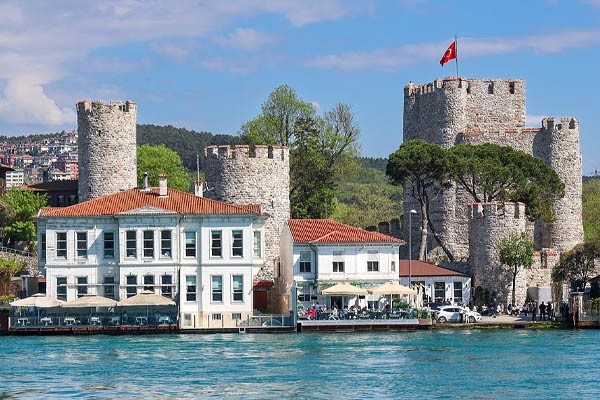
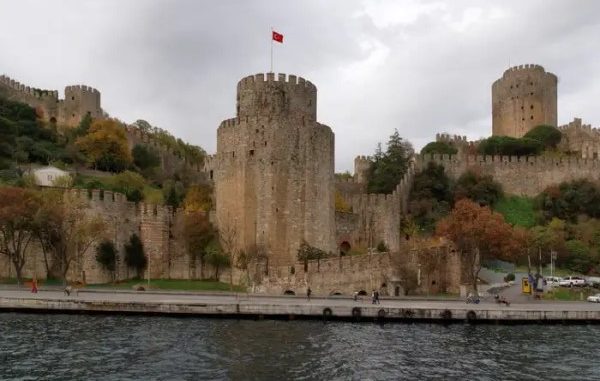
The Anadolu Hisarı is a medieval fortress located on the Asian side of the Bosphorus in Istanbul, Turkey. Built between 1393 and 1394 on the orders of Sultan Bayezid I, it was part of the preparations for the siege of Constantinople. The fortress served primarily as surveillance and control of maritime traffic on the Bosphorus. In 1453, Sultan Mehmed II reinforced the structure with thicker walls and three additional towers.
The fortress is located at the narrowest point of the Bosphorus, with a 25-meter-high main tower surrounded by pentagon-shaped walls. After the fall of the Ottoman Empire, it was restored between 1991 and 1993. Today, it offers picturesque views of the Bosphorus, although it is not open to the public. It is the oldest Turkish architectural structure in Istanbul and gives its name to the neighborhood in Beykoz. He was crucial in the Ottoman strategy to conquer Constantinople, working together with Rumelihisarı to control maritime traffic.
02. Ihlamur Pavilion
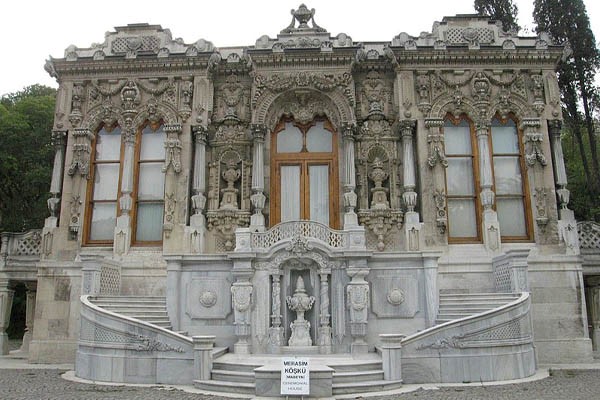
The Ihlamur Pavilion is a charming Ottoman pavilion located in Istanbul, Turkey. It was built during the reign of Sultan Abdülmecid I (1839-1861) and designed by the architect Krikor Amira Balyan, and was completed in 1849. Originally, it served as a place of rest and recreation for the sultan and his court, where they could relax, hunt, and entertain their guests. The name “Ihlamur” comes from the lime trees that surround the pavilion, creating a serene and cool atmosphere, especially in spring.
The pavilion is an example of Ottoman neoclassical architecture, with an elegant structure surrounded by beautiful gardens filled with lime trees and plane trees. In 1951, it was donated to the Istanbul Municipality by the Grand National Assembly of Turkey and converted into the Tanzimat Museum. Today, it is still a popular place for visitors and is used for special events such as weddings and receptions. Visitors can enjoy the beauty of the pavilion and its gardens, as well as learn about Ottoman history and culture.
03. Castle of Yoros

Yoros Castle (Yoros Kalesi) is a historic fortress in the Beykoz district, on the Asian side of the Bosphorus, near Anadolu Kavağı, in Istanbul, Turkey. Originally built by the Byzantines in the 10th century, it was captured and rebuilt by the Genoese in the 14th century to control maritime traffic. In 1399, it was captured by the Ottoman Empire and became a strategic fortress. The castle has been restored several times, especially during the reign of Sultan Bayezid II in the 15th century.
Situated on a hill with panoramic views of the Bosphorus and the Black Sea, it has ramparts, watchtowers and a mosque. Today, Yoros Castle is a popular tourist destination, accessible via Bosphorus cruises that stop at Anadolu Kavağı. Included in the UNESCO World Heritage Tentative List since 2013, it has witnessed numerous historical events and disputes between Byzantines, Genoese, and Ottomans.
04. Garipse Castle
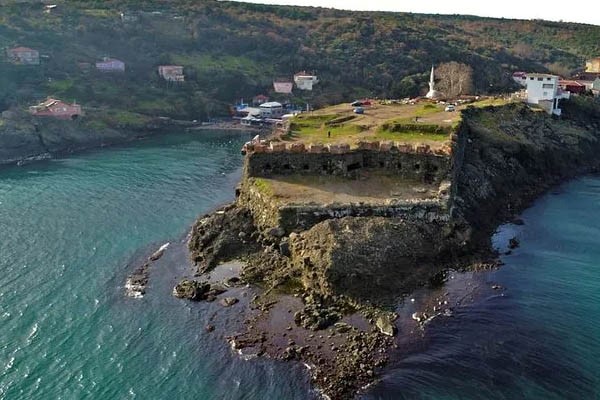
Garipce Castle (Garipce Kalesi) is a historic fortress in the Sarıyer district, on the European side of the Bosphorus, near Anadolu Kavağı, in Istanbul, Turkey. Built by the Genoese in the 15th century to control maritime traffic, it was later captured and used by the Ottoman Empire to strengthen its defense in the region. The castle has been restored on several occasions, especially during the 20th century.
Situated on a hill with panoramic views of the Bosphorus and the Black Sea, the fortress features ramparts, watchtowers, and a mosque. It features bastions at short intervals and small barrel arch windows along the walls. Today, it is a popular tourist destination. Visitors can enjoy the views and explore the historic ruins, accessible via Bosphorus cruises that stop at Anadolu Kavağı. Included in the UNESCO World Heritage Tentative List since 2013, the castle has witnessed numerous historical events and disputes between cultures.
05. Sile Castle Ocakli Ada
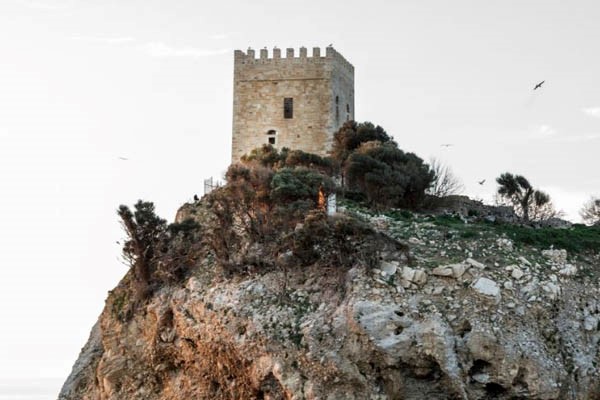
Sile Ocakli Ada Castle is a historic fortress located on the island of Ocaklı Ada, in the Sile district, on the European side of the Bosphorus, near Istanbul, Turkey. Built by the Genoese in the fourteenth century, it was used as a watchtower to control maritime traffic. It was later captured and used by the Ottoman Empire, being repaired several times throughout its history. In 2015, it was renovated, although the renovation was criticized for its appearance.
Located on an island with panoramic views of the Bosphorus and the Black Sea, the castle features ramparts, watchtowers, and a mosque. Today, it is a popular tourist destination, accessible by Bosphorus cruises that stop on the island. Included in the UNESCO World Heritage Tentative List since 2013, the castle has witnessed numerous historical events and disputes between Byzantines, Genoese, and Ottomans.
06. Yildiz Chalet
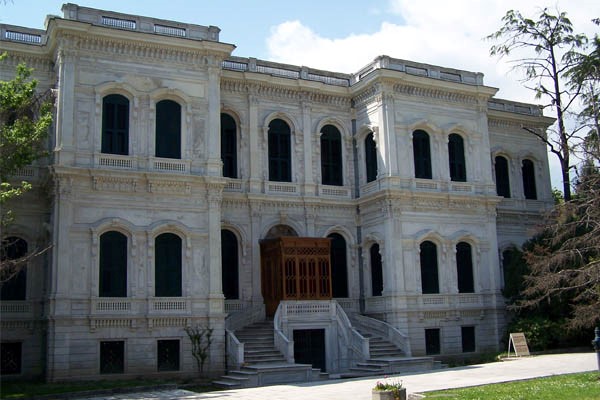
The Yildiz Chalet is a historic structure located in the Yildiz Palace complex in Istanbul, Turkey. Built in the 19th century during the reign of Sultan Abdülhamid II, it was designed by Italian architect Raimondo D’Aronco as a summer residence for the sultan and his family, where they could relax and enjoy nature in a private and tranquil setting.
The chalet features an architectural style that combines Ottoman and European elements, decorated with elegant furnishings and interior details that reflect the wealth and luxury of the time. It is surrounded by beautiful gardens with a variety of plants and flowers, especially prized by the sultan.
Currently, the Yildiz Chalet is part of the Yildiz Palace Museum and is open to visitors, who can explore the chalet and learn about the daily life of the Ottoman court. It is a popular spot for tourists, who enjoy the panoramic views of the Bosphorus and the natural surroundings of the palace.
07. Topkapi Palace

Topkapı Palace is one of Istanbul’s most iconic sites and an impressive testament to Ottoman history. Built on the orders of Sultan Mehmed II in 1459 and completed in 1465, it was the main residence of the Ottoman sultans until 1853. It was not only the residence of the sultan, but also the administrative and educational center of the Ottoman Empire. It is located on the Sarayburnu, offering spectacular views of the Bosphorus.
The palace is composed of numerous small buildings built around four main courtyards. It uses stones and bricks in its construction, following the standards of Turkish secular architecture. Highlights include the Treasury, which houses precious objects such as the diamond from the spoon and the Topkapi dagger, and the Harem, which was the residential area of the sultan and his family. Today, Topkapı is a museum that offers a fascinating insight into life in the palace and Ottoman history, open from Wednesday to Monday from 10:00 a.m. to 5:30 p.m.
08. Rumeli Feneri Kalesi
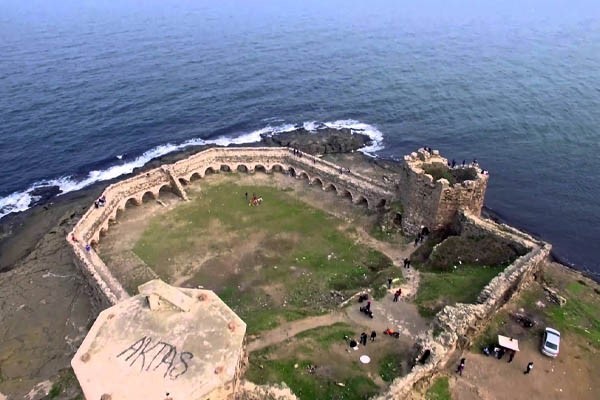
Rumelifeneri Castle is a historic fortress located on the Black Sea coast, in the Sarıyer district, Istanbul, Turkey. Built in the 15th century by the Ottoman Sultan Mehmed II, it was part of the fortifications for the siege of Constantinople in 1453 and controlled maritime traffic on the Bosphorus. The castle has been restored on several occasions, especially during the 20th century.
Located at the narrowest tip of the Bosphorus, it offers panoramic views of the strait and the Black Sea. The fortress has walls, watchtowers and a fortified entrance. Today, it is a historic site that offers breathtaking views of the Bosphorus, although it is not open to the public for interior visits. A testament to Ottoman architecture and history, its strategic location makes it a place of great cultural and historical interest.
09. Riva Castle
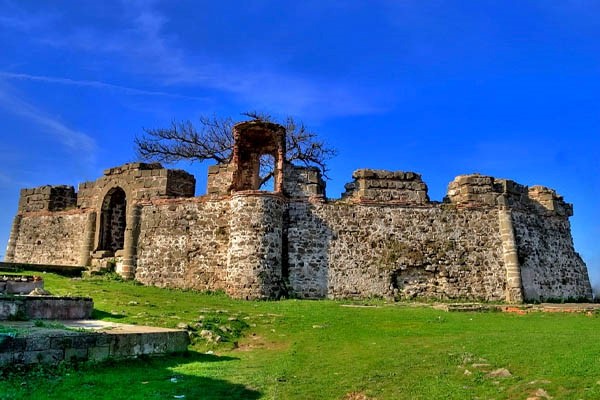
Riva Castle (Riva Kalesi) is a historic fortress in the Beykoz district, on the Asian side of the Bosphorus, near Istanbul, Turkey. Built during the Byzantine period and fortified in the Ottoman era, its purpose was to protect the entrance to the Bosphorus from the Black Sea and defend the region against possible invasions.
Situated on a hill with panoramic views of the Bosphorus and the Black Sea, it has ramparts, watchtowers and a fortified entrance. The main structure is a 25-meter-high square, surrounded by pentagon-shaped walls. Built with stones and bricks, some parts made of lime mortar, it is a testament to Ottoman architecture and history. Today, it is a historic site that offers breathtaking views, although it is not open to the public for interior visits. Its strategic location makes it a place of great historical and cultural interest.
10. The castle of Aydos
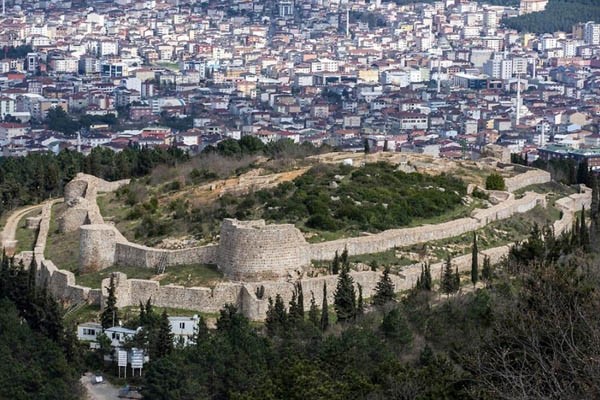
Aydos Castle (Aydos Kalesi) is a historic fortress located in the Sultanbeyli district of Istanbul, Turkey. Built during the period of the Eastern Roman Empire, around the 6th century, it was rebuilt and fortified during the Ottoman period. The fortress served to control and defend the route between Constantinople and Anatolia and is also known as the “Ram Castle” due to a local legend. In 1328, it was conquered by the Ottoman Turks.
Located on a 325-meter hill, one of the highest points in Istanbul, it has two walls. One internal and one external, and numerous bastions. Built with stones, bricks and lime mortar, it is a testament to Ottoman architecture. Today, it offers panoramic views and is a popular tourist destination after recent restorations. Its strategic location and rich history make it a place of great historical and cultural interest.
Is it worth visiting ancient castles in Istanbul as a tourist destination?
Ancient castles in Istanbul are definitely worth seeing. Not only are these structures architecturally impressive, but they are also full of history and cultural significance. Here are a few reasons why Istanbul castles are a must-see:
Historical Significance
Castles in Istanbul, such as Anadolu Hisarı, Rumeli Hisarı, and Yoros Kalesi. Played crucial roles in the history of the Ottoman Empire and the Byzantine Empire. They served as strategic fortresses to control maritime traffic on the Bosphorus and protect the city from invaders.
Stunning Architecture
The architecture of these castles is fascinating. Many of them combine elements of Ottoman and Byzantine design, and are built with stones and bricks. The watchtowers, ramparts, and defensive structures offer a unique insight into the construction techniques of the time.
Panoramic Views
The location of these castles on hills and strategic points of the Bosphorus provides breathtaking panoramic views of the strait and the Black Sea. These places are perfect for enjoying the natural beauty of Istanbul and taking spectacular pictures.
Connection with Local Culture
Visiting these castles allows you to connect with the local history and culture. You can learn about the military strategies of the Ottomans, life in the fortresses. And the historical events that occurred in these places.
Good tourist destination
Istanbul is an exceptional tourist destination. In addition to the castles, the city offers a rich mix of culture, history and modernity. From the stunning Blue Mosque to the bustling Grand Bazaar, there’s something for everyone.
Cultural heritage
Many of these castles are included in the UNESCO World Heritage Tentative List. Highlighting their cultural significance and need for preservation.
Conclusion.
In short, the ancient castles in Istanbul are an essential aspect of the city’s historical and cultural richness. Visiting these places will not only allow you to explore the history and architecture. But it will also give you an unforgettable sightseeing experience.
Leave a Reply