
¿Qué vas a encontrar aquí?
From the towering domes of the Hagia Sophia and the Blue Mosque to the avant-garde skyscrapers that redefine its skyline, the architectural richness of Istanbul metropolis reflects centuries of history and evolution. In this article we are going to take a journey through the architectural richness of Istanbul by visiting the 10 buildings with the most architectural value in Istanbul.
In addition to its extraordinary architectural heritage with a unique cultural diversity. Its historic neighborhoods and artistic manifestations reflect the richness of a city that has been home to empires and civilizations. This cultural richness makes Istanbul much more than a collection of buildings: it is a living city, where past and present coexist in harmony.
Buildings with architectural value in Istanbul
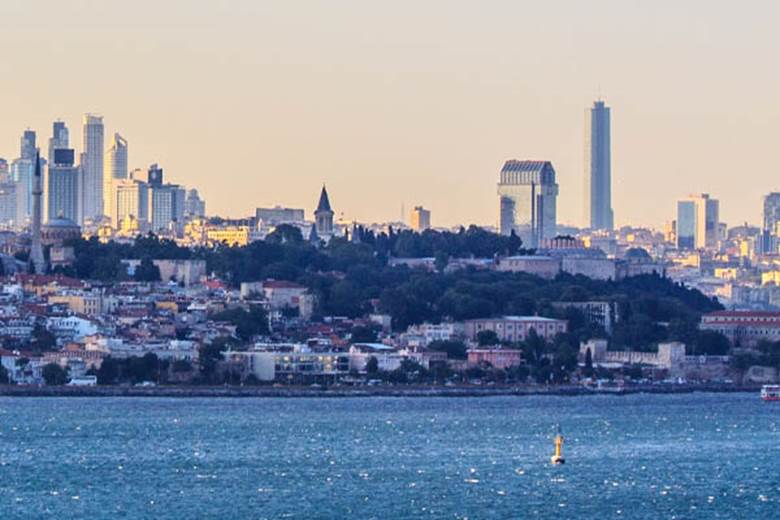
Istanbul holds the treasures of Byzantium and Ottoman splendour in its streets, but it also looks to the future with contemporary works that combine innovation and functionality. On this architectural journey, we will explore how the metropolis balances its historical roots with modern architecture. A city that projects a vibrant, dynamic and constantly transforming life. Here you will find the Buildings with architectural value in Istanbul
The cistern basilica
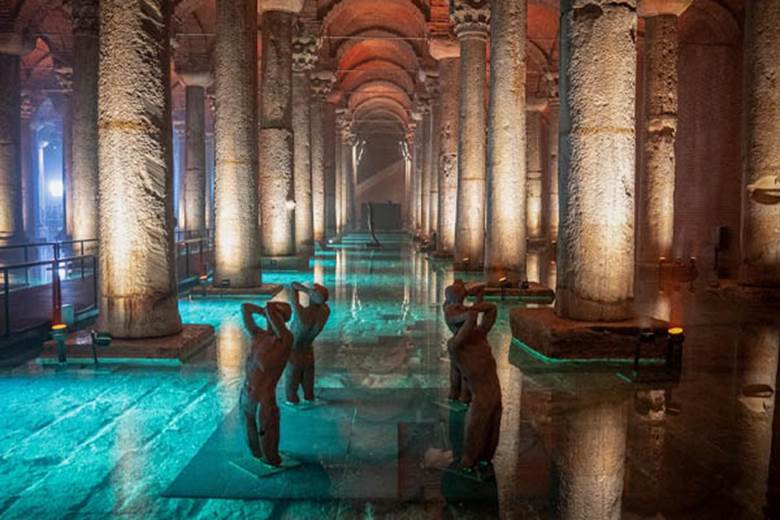
The Basilica Cistern, also known as Yerebatan Sarnıcı, is one of the most fascinating historical monuments in Istanbul. Built in the 6th century during the reign of Byzantine Emperor Justinian I, its main purpose was to store water for the Grand Palace and other buildings in the city.
Architecturally, the cistern is an underground wonder. Its 336 marble columns rise to more than 9 meters in height. These columns, many of them repurposed from older buildings, exhibit a variety of styles, including Doric, Ionic, and Corinthian. Two of the most famous columns feature carved Medusa heads, placed in inverted positions and sideways, adding mystery and symbolism.
Culturally, the Basilica Cistern reflects the ingenious Byzantine engineering and skill of the architects of the time. Today, it is an important tourist and cultural site, where events and exhibitions are held. Here visitors experience a unique and historical atmosphere that connects the past with the present of Istanbul.
Hagia Sophia (Ayasofya)
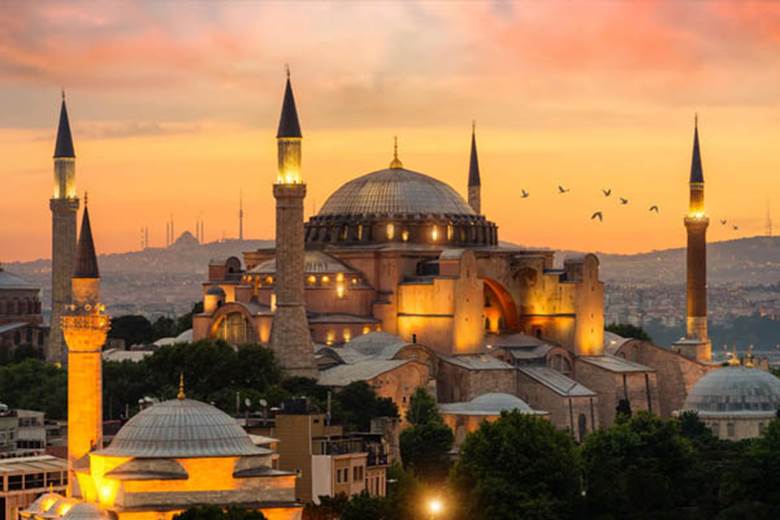
Hagia Sophia, known as Ayasofya in Turkish, is an buildings with architectural value, one cultural icon of Istanbul, with a history spanning almost 1500 years. Built as a cathedral in 537 by the Byzantine Emperor Justinian I. It was the largest church in the world for nearly a thousand years. Its impressive dome, which seems to float above the building thanks to an innovative system of windows and arches, is a testament to Byzantine architectural ingenuity.
Culturally, Hagia Sophia has served as a focal point of the religious and political life of Constantinople and Istanbul. After the Ottoman conquest in 1453, it was converted into a mosque, and later, in 1935, it was transformed into a museum by the founder of the Republic of Turkey, Mustafa Kemal Atatürk. In 2020, it was reopened as a mosque, but it remains a popular museum for visitors from all over the world. This mix of religious and cultural history, along with its stunning architecture, makes Hagia Sophia a powerful symbol of the convergence of different civilizations and eras.
The Dolmabahçe Palace
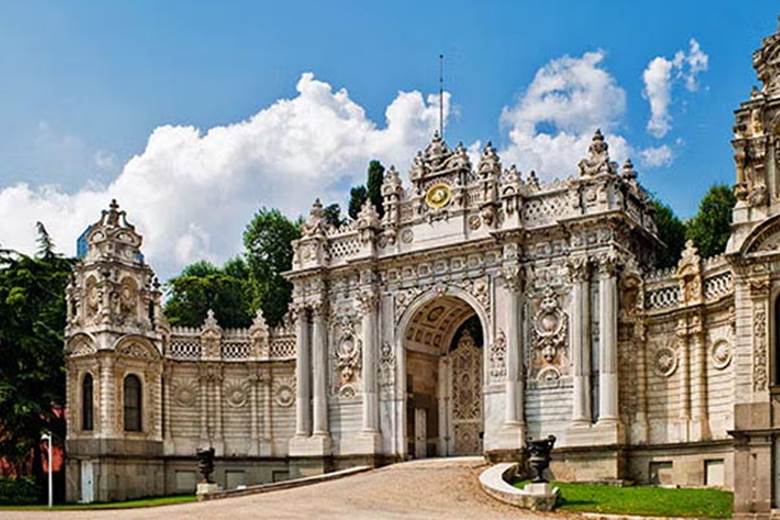
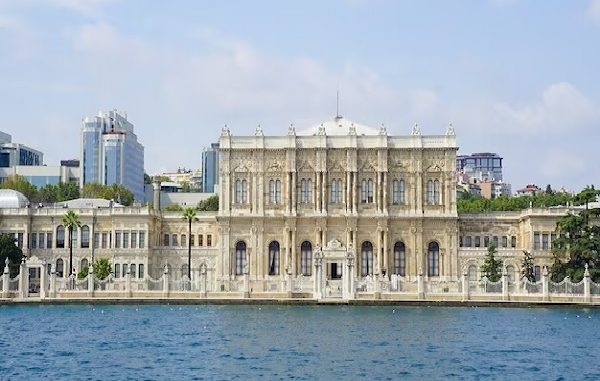
The Dolmabahçe Palace, located on the banks of the Bosphorus in Istanbul, is one of the grandest buildings of the Ottoman Empire. Built between 1843 and 1856 on the orders of Sultan Abdulmecid I, it represents an eclectic mix of European styles such as Baroque, Rococo, and Neoclassical, along with traditional Ottoman elements. Its impressive façade stretches for 600 meters. Its interiors are richly decorated with marble, Baccarat crystals and Bohemian chandeliers.
Architecturally, Dolmabahçe is a masterpiece that symbolizes the modernization of the Ottoman Empire and its openness to Western influences. The palace’s Ceremonial Hall, with its gigantic 4.5-ton chandelier, is especially noteworthy.
Culturally, the palace has witnessed important historical events, including the death of the founder of the Republic of Turkey, Mustafa Kemal Atatürk, in 1938. Today, Dolmabahçe is not only a tourist monument, but also a symbol of Turkey’s transition to modernity. It reflects both the imperial heritage and the republican legacy of the city.
Terminal de Haydarpaş
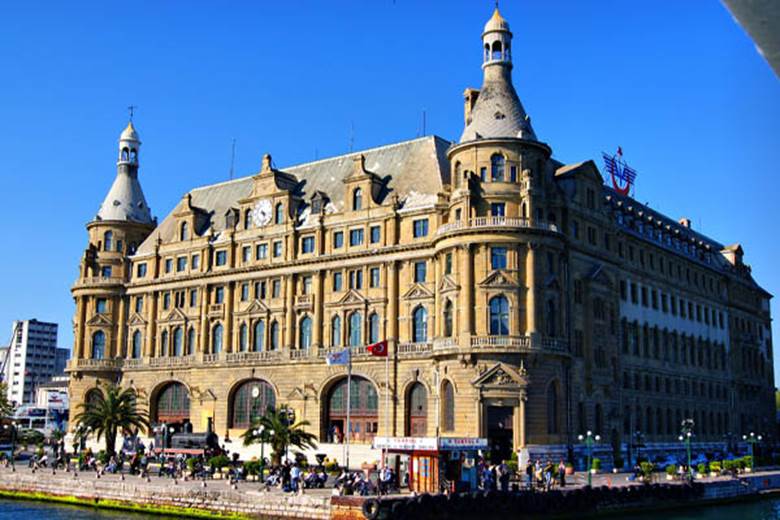
Haydarpaşa railway station, opened in 1909, is a majestic example of neoclassical architecture in Istanbul. Designed by German architects Otto Ritter and Helmuth Cuno, the station reflects the European influence on Ottoman architecture in the early 20th century. Its imposing structure and ornate details, such as turrets and decorated facades, make it one of the most impressive stations in the world.
Architecturally, Haydarpaşa stands out for its grandeur and elegance, serving as a bridge between East and West. Its strategic location on the banks of the Bosphorus not only makes it a crucial point for rail transport, but also a symbol of the cultural and commercial interconnection between Europe and Asia.
Culturally, the terminal has witnessed numerous historical events and has been featured in various literary and film works. Although it was damaged by fire in 2010, its restoration continues, preserving its legacy as a historical and cultural monument. Today, Haydarpaşa remains an icon of Istanbul’s railway and architectural history, attracting tourists and heritage enthusiasts.
Sancaklar Mosque
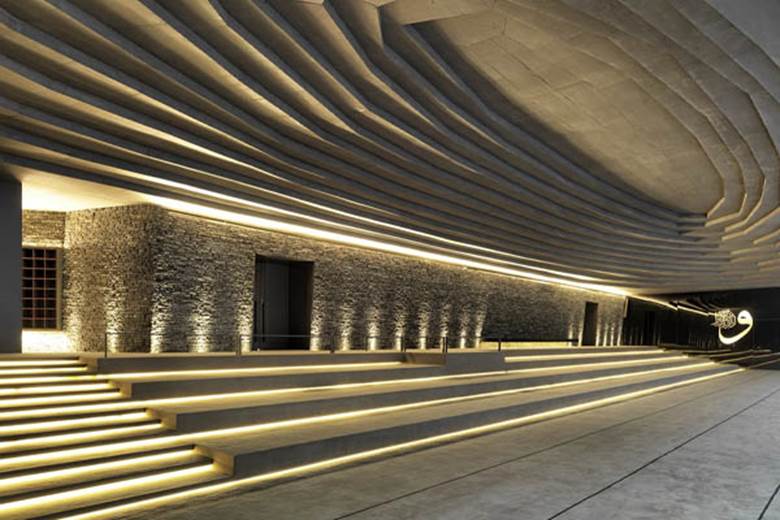
The Sancaklar Mosque, designed by the prestigious Turkish studio Emre Arolat Architects, is a masterpiece of contemporary architecture. Opened in 2012 in Buyukçekmece, Istanbul, this mosque breaks with Islamic architectural traditions by taking a minimalist and modern approach.
Architecturally, the mosque blends harmoniously with its natural surroundings, using local materials such as stone and concrete. The underground structure and simple design, with open spaces and clean lines, create a serene and contemplative atmosphere. One of the highlights is the absence of ornamental decorations, which emphasizes the direct connection between the faithful and their religious practice.
Culturally, the Sancaklar Mosque represents a bold reinterpretation of Islamic worship spaces. It becomes a reflection of a progressive mindset that seeks to adapt religious traditions to modernity. It has received numerous international awards for its innovative design and its ability to provoke reflection on spirituality in the contemporary era. The Sancaklar Mosque is undoubtedly a symbol of Turkey’s architectural and cultural evolution.
The Selimiye Barracks
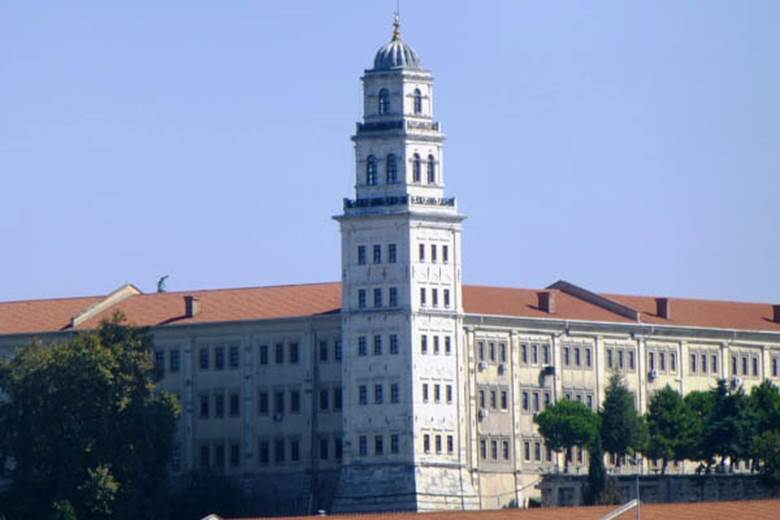
The Selimiye Barracks, located in the Üsküdar district of Istanbul, is an architectural work of historical and cultural significance. Built in 1800 during the reign of Sultan Selim III, the barracks is an outstanding example of Ottoman military architecture. Its design combines classical Ottoman elements with European influences, reflecting the modernization of the Ottoman army during that period.
Architecturally, the Selimiye Barracks is an imposing structure with its vast expanse and sturdy stone walls. Its symmetrical design and spacious courtyards underline its military functionality. It provides a suitable space for troop accommodation and training.
Culturally, the barracks is famous for its role in the Crimean War, where it served as a military hospital. Florence Nightingale, the pioneer of modern nursing, worked here during the war, adding additional historical value to the place. Today, the Selimiye Barracks is still a military facility in use, but it is also a symbol of the military legacy and history of medicine in Turkey.
Marmara University
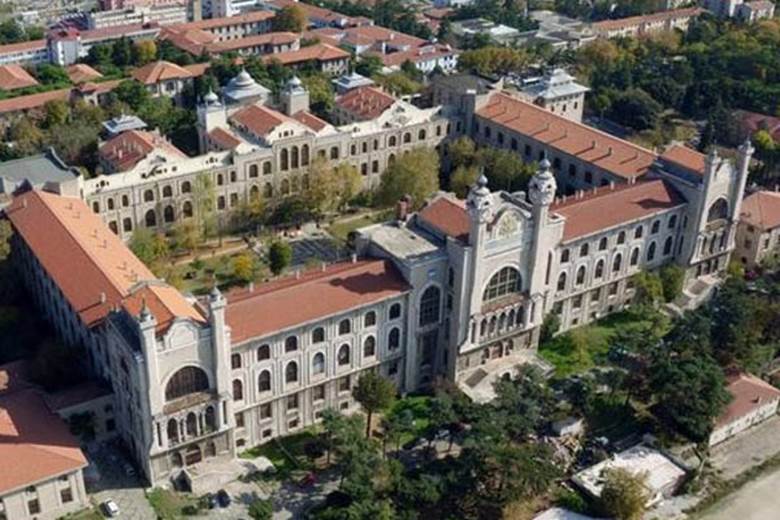
Marmara University, established in 1883, is one of the oldest and most prestigious educational institutions in Turkey. Its main campus, located in the Kadıköy district, combines historic architecture with modern facilities, reflecting an academic and cultural heritage.
Architecturally, the university’s main building, known as the Rectorate, is a notable example of late Ottoman and early Republican era architecture. With its majestic columns and ornate details, the Rectorate is not only an administrative center, but also a symbol of the continuity and evolution of the educational system in Turkey.
Culturally, Marmara University has been a hub for innovation and critical thinking over the years. It has trained countless leaders in various fields and continues to be a venue for cultural events, conferences, and exhibitions. The university also houses important archives and collections documenting Turkey’s educational and cultural history, contributing significantly to the country’s intellectual and cultural heritage.
Vakko Fashion Center
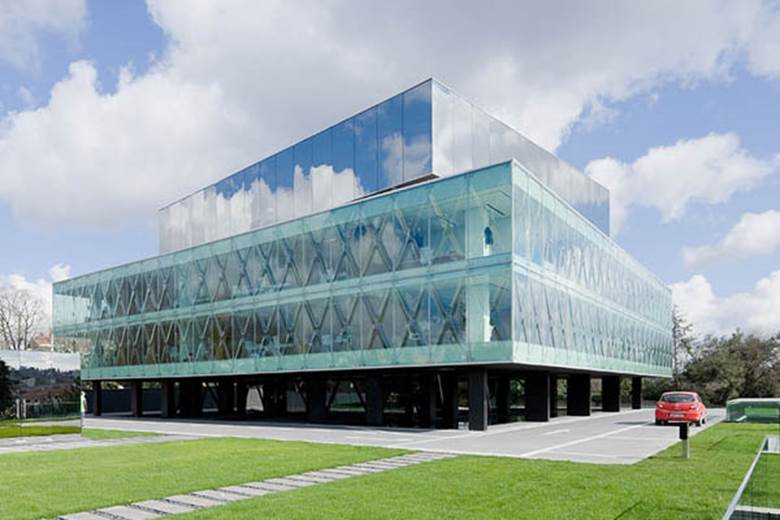
The Vakko Fashion Center, located in Istanbul, is a modern architectural gem designed by the renowned firm REX Architecture. Opened in 2010, it combines an unfinished hotel from the eighties with an innovative design, becoming a functional and aesthetically impressive space.
Architecturally, the center stands out for its creative adaptation of the hotel’s skeleton. It uses a ring of steel and concrete that provides a robust and earthquake-resistant structure. The interior, known as the “Showcase”, houses executive offices, meeting rooms, an auditorium and a museum. All their designs have a minimalist and modern approach.
Culturally, the Vakko Fashion Center is a symbol of innovation and cutting-edge design in the Turkish fashion industry. In addition, it houses the Vitali Hakko Library of Creative Industries and other cultural facilities. The center has become a meeting point for creatives and fashion professionals. Her design has been internationally recognized, winning awards such as ArchDaily’s “Best Workspace” and Wallpaper.
Prinkipo Orphanage
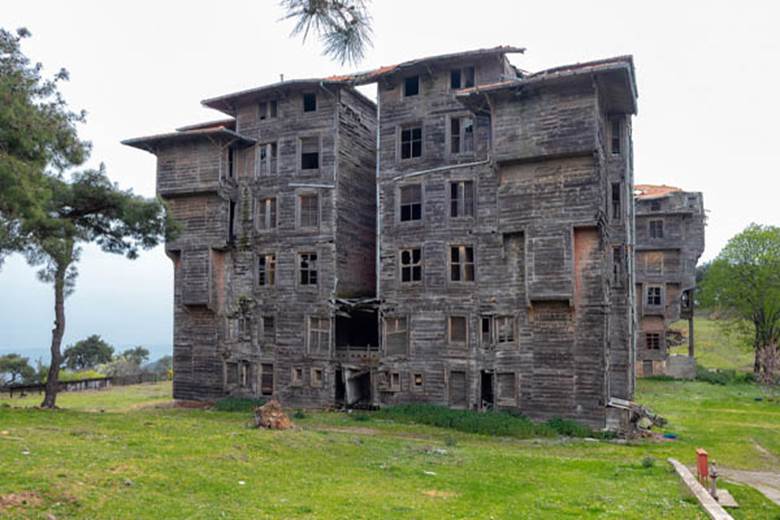
The Prinkipo Orphanage, also known as the Prinkipo Palace, is a historic wooden building located on the island of Büyükada, in the Sea of Marmara, near Istanbul. Built between 1898 and 1899 by French-Ottoman architect Alexandre Vallaury, it was originally designed as a luxury hotel and casino, but was sold and transformed into an orphanage in 19031.
Architecturally, the orphanage is notable for being the largest wooden building in Europe, covering an area of 20,000 m². Its eclectic design combines elements of Eastern and Western architecture, reflecting the European influence on Ottoman architecture of the time. The six-story structure, with its elegant façade and spacious interiors, is a testament to the architectural ingenuity of its time.
Culturally, the Prinkipo Orphanage has had a significant impact on the Greek Orthodox community, housing thousands of orphans from its opening until its closure in 1964. Today, although the building is in a state of disrepair, it remains a symbol of the region’s history and culture, and efforts are underway for its restoration and preservation.
The Atatürk Cultural Center
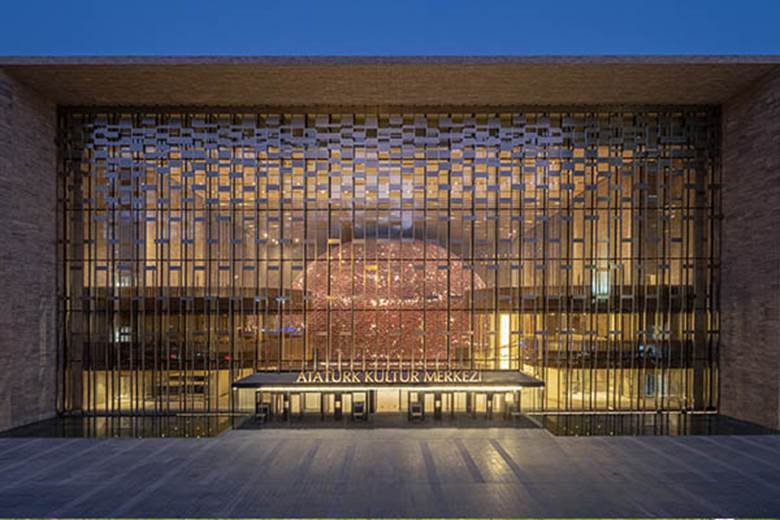
The Atatürk Cultural Center, located in Istanbul’s iconic Taksim Square, is a symbol of Turkey’s modernization and cultural progress. Its strategic location in the heart of Istanbul makes it a meeting point for the artistic community and a place accessible to all audiences, reinforcing its role as a beacon of culture in the region.
Architecturally the center stands out for its modern style, which combines traditional Turkish elements with contemporary designs. Opened in 1969. Recently renovated, the building features an auditorium, exhibition halls, and spaces dedicated to the performing and visual arts. becoming an epicenter for large-scale cultural events.
Culturally, the Atatürk Cultural Center plays a crucial role in promoting the arts in Turkey. It hosts a variety of events, from classical music and opera concerts to art and theatre exhibitions, attracting locals and tourists alike.
Protecting Istanbul’s Architectural Heritage: Challenges and Opportunities
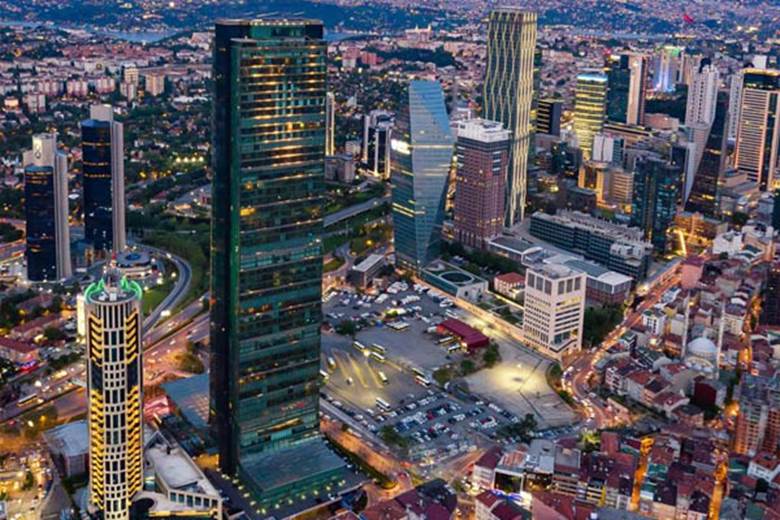
Protecting Istanbul’s architectural heritage is an essential task due to the city’s vast historical and cultural richness. However, this work faces a series of constant challenges derived from factors. Rapid urbanization, population growth, and the need to modernize infrastructure are a challenge for the city. In this context, both crucial obstacles and opportunities arise to preserve Istanbul’s architectural legacy.
Challenges
Urban growth and development: The rapid urbanization process and the demand for modern infrastructure often lead to the alteration or demolition of historic buildings. The pressure to meet the needs of an expanding population and to offer contemporary services often conflicts with conservation efforts.
Neglect and deterioration: Many monuments and historical buildings in Istanbul suffer from neglect and deterioration. Restoration and maintenance are costly and time-consuming processes, which, coupled with limited resources, makes it difficult to preserve them.
Uncontrolled gentrification: Gentrification in historic neighborhoods can significantly modify their identity, displacing traditional residents and weakening the cultural value of these areas. Striking a balance between economic development and heritage protection is a complex challenge.
Environmental factors: Istanbul is vulnerable to earthquakes and other natural phenomena that pose serious threats to its historic structures. Protecting these buildings from natural disasters is a constant task.
Insufficient legal protection: Some historic buildings lack a solid legal framework to protect them, which leaves them exposed to demolitions or renovations that do not respect their heritage value.
Opportunities
- Legislative and regulatory reinforcement: Strengthening and rigorously enforcing the laws that protect historic buildings is essential. Designating areas as conservation zones offers legal protection and provides incentives for preservation.
- Public awareness and participation: Increasing public awareness of the importance of Istanbul’s architectural heritage can generate greater support for conservation initiatives. Cultural education and active community participation are key pillars in this process.
- Heritage Tourism: Istanbul’s historical sites attract millions of visitors every year. Income from cultural tourism can be used for restoration and conservation projects, fostering a virtuous circle of protection and development.
- International collaboration: Partnerships with international agencies, such as UNESCO, provide Istanbul with access to technical expertise and financial support that are essential for the conservation of its architectural heritage.
- Adaptive reuse: Encouraging the adaptive reuse of historic buildings, giving them contemporary functions, ensures their relevance and long-term sustainability, integrating them into modern city life.
- Training of specialized professionals: Training and employing conservation experts, such as architects, historians, and restorers, is crucial to ensure the proper preservation of historic buildings.
- Incentives for private owners: Offering benefits such as tax breaks and subsidies can motivate private owners to invest in the conservation and maintenance of historic structures, thus contributing to the collective preservation of heritage.
Conclusion
In short, protecting the buildings with architectural value in Istanbul requires a balance between modernization and preservation. Challenges such as accelerated urbanization, environmental risks, and gentrification threaten its legacy, but they also offer opportunities to develop innovative policies and sustainable conservation models. Collaboration between authorities, the international community and citizens is key to ensuring that Istanbul retains its historical identity as it moves into the future.
Preserving Istanbul’s heritage doesn’t just mean preserving buildings, but also protecting the city’s cultural soul. Istanbul has the opportunity to be a global example of how tradition and modernity can coexist, demonstrating that progress can honor its roots without sacrificing its history.
Leave a Reply