
¿Qué vas a encontrar aquí?
This article explores the importance of Istanbul’s churches, not only as places of worship but also as impressive architectural structures and repositories of narratives that have shaped the city’s identity throughout its extensive past. That’s why today we’re going to explore the top 10 churches in Istanbul.
Istanbul is a fascinating city that serves as a bridge between Europe and Asia. It has a rich historical and cultural background. The city’s geographical position on two continents has contributed to its extensive cultural history, spanning numerous decades and languages.
10 Best Churches in Istanbul
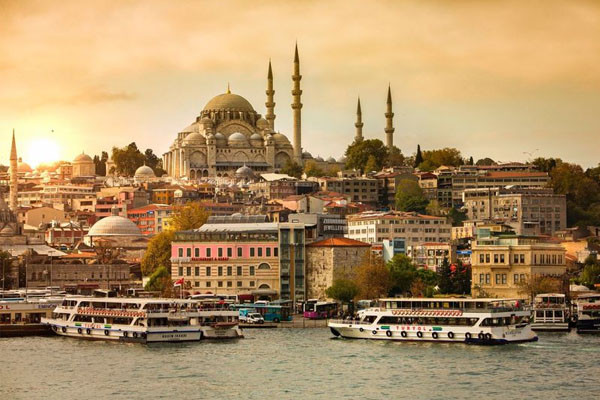
Istanbul boasts historic churches and cathedrals that feature a fascinating mix of Byzantine and Ottoman architecture.. Here are some of the most impressive:
1. Hagia Sophia (Hagia Sophia)
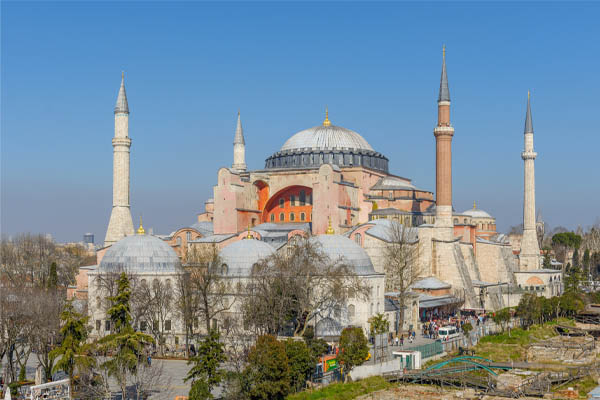
Location: Sultanahmet
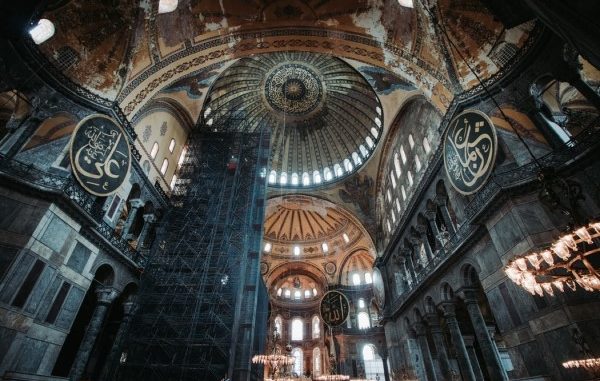
History: Built in 537 by the Byzantine Emperor Justinian, Hagia Sophia was the largest cathedral in the world for nearly 1,000 years. It was converted into a mosque in 1453 when the Ottomans conquered Constantinople and then transformed into a museum in 1935. Since 2020, it has been a mosque again, although it is still a tourist attraction.
Highlights: The massive dome, Byzantine mosaics (especially the Christ Pantocrator), and Islamic inscriptions added during the Ottoman period.
2. Church of St. Saviour in Chora (Kariye Camii)
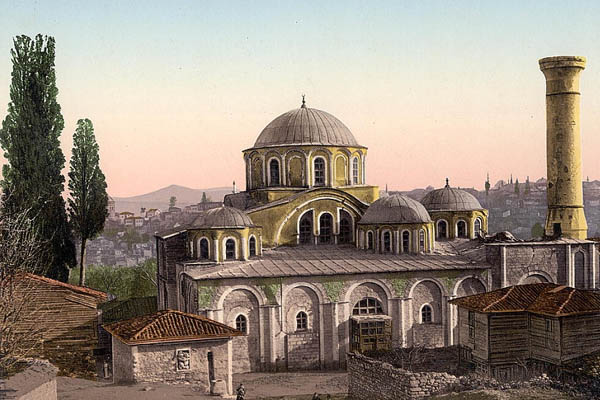
Location: Edirnekapı
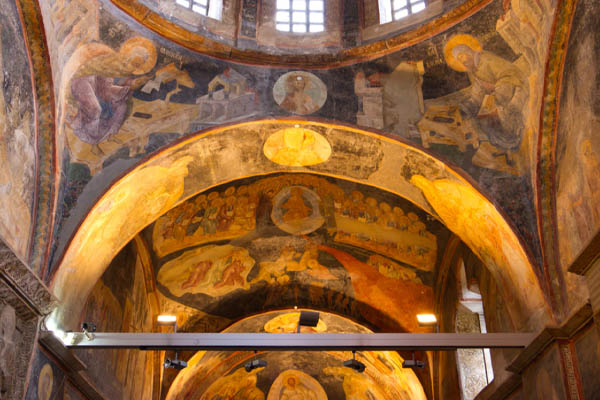
History: This church dates back to the fourth century and was rebuilt several times. It is famous for its mosaics and frescoes from the 14th century, which are some of the finest examples of Byzantine art in the world. Like the Hagia Sophia, it was converted into a mosque in Ottoman times and then a museum, although in recent years it has also been reopened as a mosque.
Highlights: The mosaics chronicling the lives of Jesus and the Virgin Mary are especially impressive and detailed.
3. Church of Santa Irene (Aya Irini)
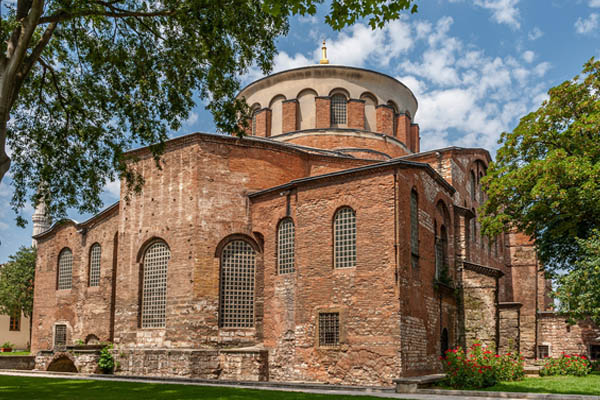
Location: Topkapi Palace
History: Built in the fourth century, St. Irene was the first church built in Constantinople. Unlike the Hagia Sophia, it was never converted into a mosque. It was used as an armory and warehouse by the Ottomans, and today it is a museum and a concert venue due to its acoustics.
Highlights: The simple architecture and its importance as one of the few Byzantine churches that never became a mosque.
4. The Church of St. Sergius and St. Bacchus (Little Hagia Sophia)

Location: Near Sultanahmet
History: Built in the 6th century, it is a beautiful example of Byzantine architecture and is considered an early model of the Hagia Sophia. It was converted into a mosque in the sixteenth century.
Highlights: The octagonal structure and miniature dome make it an intimate and unique venue. Its design influenced that of the Hagia Sophia, which is why many call it “Little Hagia Sophia”.
5. The Patriarchal Orthodox Church of St. George (Fener Rum Patrikhanesi)
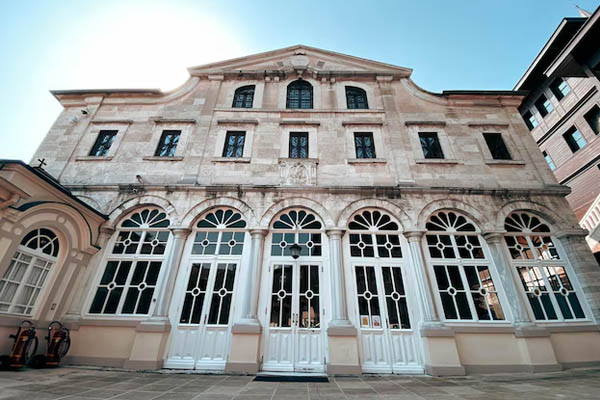
Location: Fener neighborhood
History: It is the main spiritual center of the Ecumenical Patriarchate of Constantinople, the spiritual leader of the Eastern Orthodox Church. Although it is not as old as others, it was established in 1600 in this place.
Highlights: The patriarchal throne and the relic of St. Gregory of Nazianzus. There are also a number of icons and relics important to the Orthodox Church.
6. Church of St. Mary of the Mongols (Kanlı Kilise)

Location: Balat
History: Built in the thirteenth century and the only Byzantine church that remained a Christian place after the Ottoman conquest.
Highlights: Its simple architecture and its history as one of the few churches that were never converted into a mosque.
7. The Church of St. Peter and St. Paul (San Petro ve San Paolo Kilisesi)
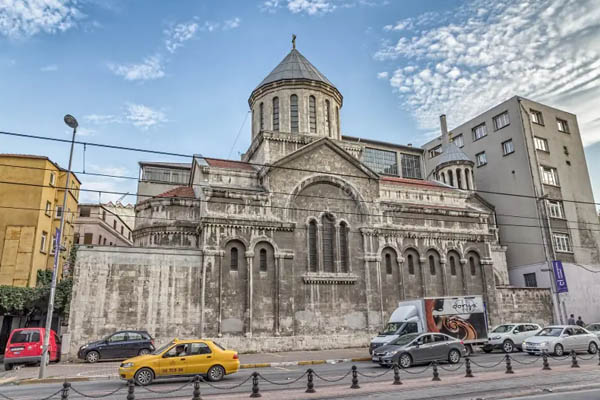
Location: Galata, near the Galata Tower
History: Originally built by Dominicans in the 13th century and rebuilt in the 19th century after a fire, this Roman Catholic church has a neo-Gothic design and a strong Venetian influence.
Highlights: The white marble façade, ornate altar and a tranquil atmosphere in the middle of the vibrant Galata area.
8. Church of St. Theodosia (Gül Camii)
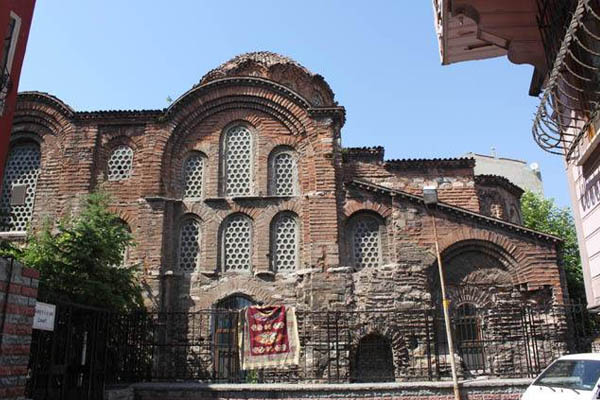
Location: Fatih District
History: This church is believed to have been built in honor of St. Theodosia in the 11th century and converted into a mosque after the Ottoman conquest. It is linked to the fall of Constantinople, as it was one of the last refuges before the capture of the city.
Highlights: Its Byzantine structure and the courtyard full of rose bushes, which gives it the name “Gül Camii” or “Mosque of Roses”.
9. Church of St. Stephen of the Bulgarians (Bulgar Kilisesi)
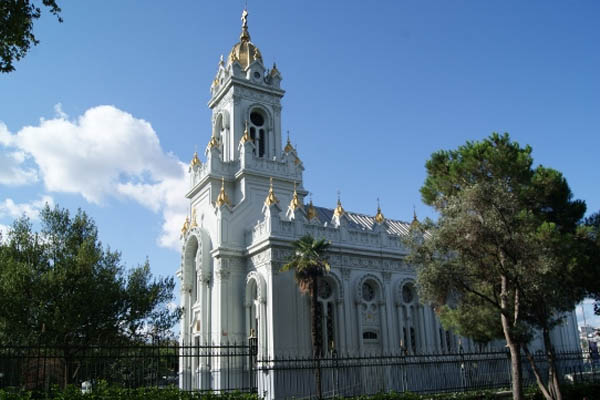
Location: On the banks of the Golden Horn, in the Balat district
History: This Orthodox church was built by the Bulgarian community of Istanbul in 1898 and is unique in the world because it is made entirely of cast iron and assembled with rivets, as it was originally going to be a prefabricated structure.
Highlights: Its white and gold painted iron exterior, along with its neo-Byzantine structure, make itvery distinctive and unique in the world.
10. Church of Vefa (Kilise Camii)
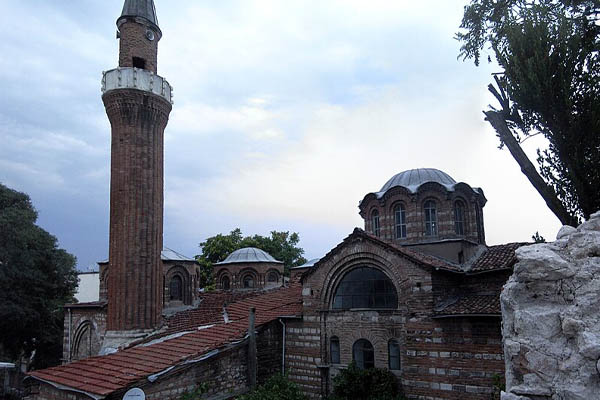
Location: Fatih District
History: Built in the fifth or sixth century, it is a lesser-known but very old church dedicated to St. Theodore, although it is debated to whom this church is dedicated, which was transformed into a mosque and retains architectural and decorative elements of its Byzantine origins.
Highlights: Marble arches and pillars, along with some Byzantine inscriptions, which give an idea of the spiritual atmosphere of the place in its origin.
These churches complement the historical tour of Istanbul very well, showcasing the variety of religious styles and cultures that have left their mark on the city. I hope you enjoy this special visit!
The importance of churches in the history and culture of Istanbul
Istanbul, a city with a long history located in both Europe and Asia, has an extremely complex and diverse history and culture, comparable to those found anywhere in the world. The central point of this article is the importance of churches, which have played a substantial role in shaping Istanbul’s identity, and which encompass:
Religion: Istanbul’s religious history dates back to the time when it was known as Constantinople and was an important center of Eastern Christianity. Hagia Sophia and Cora Church are significant examples of religious architecture that will always be remembered as symbols of their time. Hagia Sophia is an exquisite example of architectural brilliance that showcases the opulence and religious devotion of Byzantine civilization.
Amazing Buildings: The architectural structures found in Istanbul are truly remarkable examples that showcase the mastery and ingenuity of their respective eras. The Chora Church is famous for its exquisite mosaics, while the Church of St. Savior in Chora, currently known as the Kariye Mosque, is famous for its splendid paintings. These buildings have served not only as places of worship, but also as places to display magnificent works of art.
Historical significance: Throughout its history, Istanbul’s buildings have witnessed important events, such as the momentous fall of Constantinople in 1453 and the transformative reforms implemented in the Ottoman Empire during the 19th century. They serve as a tangible connection to the city’s tumultuous history, preserving memories of conflicts, transformations, and adjustments.
Frequently Asked Questions (FAQs)
What is the history of Christianity in Istanbul?
Istanbul, formerly known as Constantinople, has a long history associated with Christianity. It was an important center of Eastern Christianity and has numerous churches and various places of religious devotion. The city’s Christian history dates back more than a thousand years. During this time, notable churches such as Hagia Sophia and Cora Church were built. Today, the history of Christianity continues to have significant importance within the diverse cultures of Istanbul.
What is the oldest church in Istanbul?
St. Irene, also known as Aya Rini, stands as one of Istanbul’s oldest churches, having been constructed during the 4th century. Its historical significance and architectural beauty make it a remarkable landmark in the city. . The structure in question predates the famous Hagia Sophia and has a rich history as a place of religious and cultural significance.
Are there rules about who can go to these places?
Although these churches usually welcome visitors, it is essential to note that they primarily serve as places of worship. Be sure to dress modestly and discreetly, and follow any rules or instructions provided by staff. In some places, access to tourists may be restricted during religious services or ceremonies.
Do these churches offer guided tours?
Yes, these churches usually have guided tours, especially famous ones like Hagia Sophia and Cora Church. Guided tours can teach you a lot about the past and the importance of each place. Check with local travel companies or churches to see if and when tours are available.
Is it okay to take pictures inside these churches?
Different churches may have different rules about taking pictures. In many churches, visitors are allowed to take photographs inside, but the use of flash is often prohibited. Before taking photographs, it is polite to ask church staff or look for posters with the guidelines for photography.
Conclusion
As we conclude our tour of Istanbul’s churches that represent the city’s rich history. We want to extend a warm invitation to those who have joined us on this journey. Due to its location in both Asia and Europe, Istanbul has been a crossroads for people of different faiths and civilizations for centuries. The city’s cathedrals are more than just beautiful works of architecture; they are also living records of centuries of struggle and triumph. Of religious devotion and cultural exchange.
We highly recommend exploring the spiritual depths of Istanbul. Explore the sacred halls of Hagia Sophia, the beautiful mosaics of Chora Church, and the tranquility of St. Anthony’s Church. Learn about the centuries-old customs practiced in the Bulgarian church of St. Mary of Blanquerna and St. Stephen the Wonderworker.
By visiting these holy sites, you will not only gain a deeper understanding of Istanbul. But also of yourself in the context of human history. Istanbul awaits you and its treasures are ready to be discovered.
Leave a Reply