
¿Qué vas a encontrar aquí?
Nestled within the vibrant city of Istanbul, hammams & Turkish baths offer a retreat from the fast-paced modern world. They invite visitors to unwind and reconnect with themselves. A Turkish bath is not merely a place for cleansing the body but an immersive experience that combines physical and mental rejuvenation. The ambiance, rituals, and therapeutic effects make it essential to Turkish culture.
Turkish baths, also known as hammams, hold a significant place in Istanbul’s rich cultural heritage. These ancient bathing rituals date back centuries and continue to be an integral part of the Turkish lifestyle. In this article, we will delve into the fascinating world of Turkish baths, uncovering their historical significance, unique experiences, and numerous health benefits. So, let’s embark on a journey of relaxation, rejuvenation, and indulgence.
Top 10 best hammams & Turkish baths in Istanbul
In Istanbul, you’ll find a wide range of popular traditional hammams and Turkish baths. Most of them are located in popular tourist zones like Sultanahmet and Taksim.
1. Hurrem Sultan Hammam

The lavishly designed hammam, built in the 16th century by the Ottoman architect Mimar Sinan, offers a deluxe bathing experience fit for royalty. It was named in honor of Sultan Süleyman, the Magnificent’s primary spouse, and was initially intended to be used exclusively by sultans and essential guests. The structure’s history is intriguing. It served as a correctional facility and a carpet emporium before being meticulously renovated to its original purpose as a regal refuge.
The hammam features pristine, ivory-colored marble interiors adorned with intricate gold embellishments. This creates a serene ambiance, further enhanced by a unique soundtrack that resonates within the historic walls. The facility offers four distinct sessions tailored to various needs. You can choose from traditional exfoliation and massage on a heated Marmara marble platform or a complete body clay mask paired with aromatherapy.
https://www.hurremsultanhamami.com/
2. Kılıç Ali Paşa Hamamı
Kılıç Ali Paşa Hamamı, a historic Turkish bathhouse, underwent an extensive renovation to provide an authentic hammam experience. Constructed between 1578 and 1583 by renowned architect Sinan for Ottoman admiral Kılıç Ali Paşa, the hamam features a stunning central dome, making it one of Istanbul’s most impressive bathhouses. After exclusively serving men for centuries, it now offers separate bathing sessions for men and women. During the hammam experience, designated attendants guide guests through the traditional rituals, including scrubbing, exfoliating, and wrapping in a peştamal.
The establishment also features a lounge where bathers can enjoy customary beverages and treats like sweetened carbonated water and seasonal sherbet. Kurumlu emphasizes the hammam’s significance in empowering women through its historical transformation to accommodate female bathers during daytime hours. The Hamam’s reopening ten years ago marked a shift towards inclusivity.
https://kilicalipasahamami.com/
3. Çukurcuma Hamam
Çukurcuma Hamamı stands proudly in the bohemian district of Çukurcuma, where it has been a landmark for nearly 200 years. Built-in the 1830s, the edifice underwent an extensive renovation and reopened in 2018. The restoration aimed to recapture its former grandeur while preserving the white marble interior.
This Istanbul hammam offers a revitalizing experience. It blends traditional dome roofs with modern indoor terraces and hidden lounge areas. Moreover, it accommodates both genders, allowing a maximum of five guests at a time. This combination ensures a unique and intimate atmosphere.
https://www.cukurcumahamami.com/
4. ALATURKA TURKİSH BATH

Located in Fatih, Alaturka Turkish Bath offers traditional bath services as well as modern therapies. It has separate areas for women, men, and couples to experience hamam rituals. Visitors can start in the steam room before getting various massages like aromatherapy.
Additionally, the bath has a swimming pool for cooling down between services. Alaturka aims to provide relaxation through high-quality treatments in a calm setting.
5. Tarihi Çeşme Hamamı Since 1720
The Tarihi Çeşme Hamamı, built in 1720 during the Tulip Era, remains a timeless gem within The Galata Istanbul Hotel MGallery. This meticulously preserved hamam invites guests to experience authentic rituals. First, you can enjoy invigorating steam baths. Then, indulge in meticulous scrub treatments and aromatherapy massages.
Nestled in an elegant historic setting, this exquisite establishment provides an unforgettable experience. It allows visitors to explore the rich tapestry of Ottoman heritage through a variety of rejuvenating therapies.
https://www.thegalataistanbul.com/tr/saglik/
6. Ağa Hamamı

7. Cağaloğlu Hamam
Constructed in 1741, Cağaloğlu Hamam is situated in the heart of Istanbul’s historic peninsula. This majestic hamam features distinct sections for both men and women. It provides traditional hammams & Turkish baths rituals alongside a variety of additional services.
Guests can indulge in invigorating scrub massages, rejuvenating mud masks, and exclusive bridal packages that are particularly sought after for memorable occasions. With a legacy spanning over 300 years, this iconic hamam stands as one of the foremost bathing establishments in the city.
8. Süleymaniye Hamamı

In the 16th century, the famous architect Mimar Sinan designed Süleymaniye Hamamı, which still retains its original architecture. Situated near the Suleymaniye Mosque, the hamam features a grand central massage room surrounded by marble columns.
Upon arrival, visitors are ushered into steam baths before indulging in invigorating full-body scrubs and massages. The hamam strives to provide an authentic Turkish bath experience within a meticulously restored setting, allowing guests to step back in time and immerse themselves in this ancient tradition.
9. Catma Mescit Istanbul Hamam
The Catma Mescit Hamam, found in the Fatih area, showcases traditional Ottoman design and origins from the start of the 16th century. Upon arrival, guests are invited to relax in the warm room before enjoying personalized bath treatments. The offerings consist of classic bath customs, exfoliation using kese mittens, and calming massages.
Additionally, the hamam presents a range of packages tailored for both men and women, allowing them to fully immerse themselves in relaxation within a historic environment. Whether in search of a revitalizing experience or a cultural retreat, the Catma Mescit Hamam provides an authentic and serene getaway for all guests.
10. Çemberlitaş Hamamı
Upon arrival, visitors can unwind in the warm room before indulging in personalized bath treatments at the Catma Mescit Hamam, which boasts classical Ottoman architecture and dates back to the early 16th century. The services include traditional bath rituals, exfoliation with kese mittens, and soothing massages, creating a truly indulgent experience.
Moreover, the hamam provides a variety of packages tailored to both men and women, allowing them to immerse themselves in relaxation within a historic setting. Whether seeking a rejuvenating experience or a cultural escape, guests can find an authentic and tranquil retreat at the Catma Mescit Hamam, located in the Fatih district..
https://www.cemberlitashamami.com/
The Historical Significance of hammams & Turkish baths
Turkish baths have a deep-rooted history that stretches back to the Byzantine and Roman empires. The Romans introduced the concept of public bathing to the region, while the Ottomans later developed their distinctive bathing rituals. These baths served as social gathering places where people from different backgrounds came together to cleanse, relax, and engage in conversations.
A Turkish bath typically consists of several interconnected rooms with varying temperatures and levels of humidity. The entrance hall, known as the camegah, leads to the warm room (tepidarium), followed by the hot room (caldarium), and culminates in the steam room (sudatorium). The centerpiece of the bath is the large heated marble platform (gobek tasi), where visitors can rest and enjoy the unique ambiance.
Step-by-Step Guide to a Traditional Bathing Experience
- Preparation: Visitors are given a pestemal, a traditional cotton wrap, to wear during the bath. They enter the changing room (soyunmalik) to disrobe and store their belongings securely.
- Warm-Up: The warm room helps the body acclimate to the bathing environment. Visitors can relax on the heated marble benches and allow their pores to open gradually.
- Scrubbing: A tellak, an expert attendant, exfoliates the skin using a kese, a coarse mitt. This deep cleansing process removes dead skin cells and promotes blood circulation.
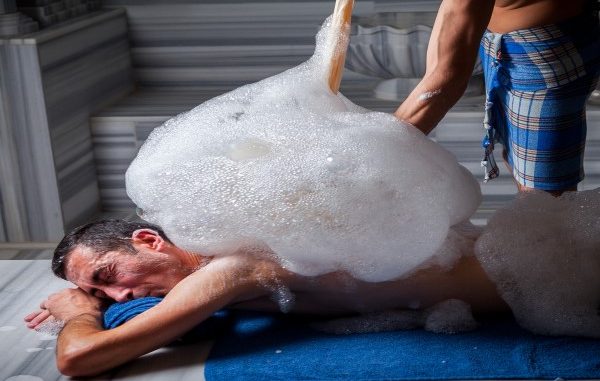
- Foam Massage: The tellak generates a lather of soapy bubbles using a silk glove and massages the body, relieving muscle tension and leaving the skin soft and supple.
- Rinse and Relaxation: After the invigorating massage, visitors move to the cooling room (sogukluk) for a refreshing shower and indulge in rest while sipping traditional Turkish tea.
The Health Benefits of Turkish Baths
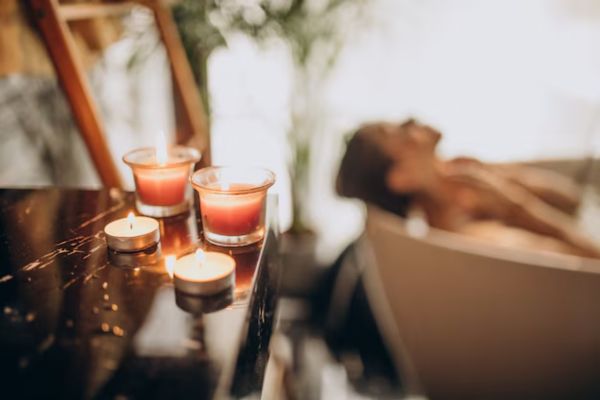
Turkish baths offer numerous health benefits for the body and mind. Combining heat, steam, and traditional bathing rituals provides a holistic experience that promotes relaxation, detoxification, and overall well-being. Some of the key benefits include:
- Cleansing and Exfoliation: Turkish baths help remove impurities from the skin, leaving it fresh and revitalized.
- Improved Circulation: The alternating temperatures stimulate blood flow, aiding in delivering oxygen and nutrients throughout the body.
- Stress Relief: The tranquil ambiance, soothing aromas, and gentle massages promote relaxation and reduce stress levels.
- Respiratory Benefits: The steam and humidity in the bath can alleviate respiratory issues like congestion and sinus problems.
- Muscle and Joint Relaxation: Combining heat and massage helps relieve muscle tension, aches, and pains.
- Detoxification: Sweating in the steam room helps flush out toxins from the body, promoting a sense of rejuvenation.
Faq’s
What should I expect during a Turkish bath experience?
A Turkish bath experience typically involves a series of steps, including warming up, exfoliation, foam massage, rinsing, and relaxation. Attendants guide you throughout the process, ensuring your comfort and enjoyment.
Are Turkish baths suitable for people with respiratory conditions?
The steam and humidity in Turkish baths can provide relief for certain respiratory conditions. However, it’s advisable to consult your healthcare professional before visiting if you have specific concerns.
Can I visit a Turkish bath if I have tattoos?
Yes, having tattoos does not restrict you from visiting a Turkish bath. However, inform your attendant about your tattoos, as they may recommend specific areas to avoid during the exfoliation process.
Leave a Reply